Class description
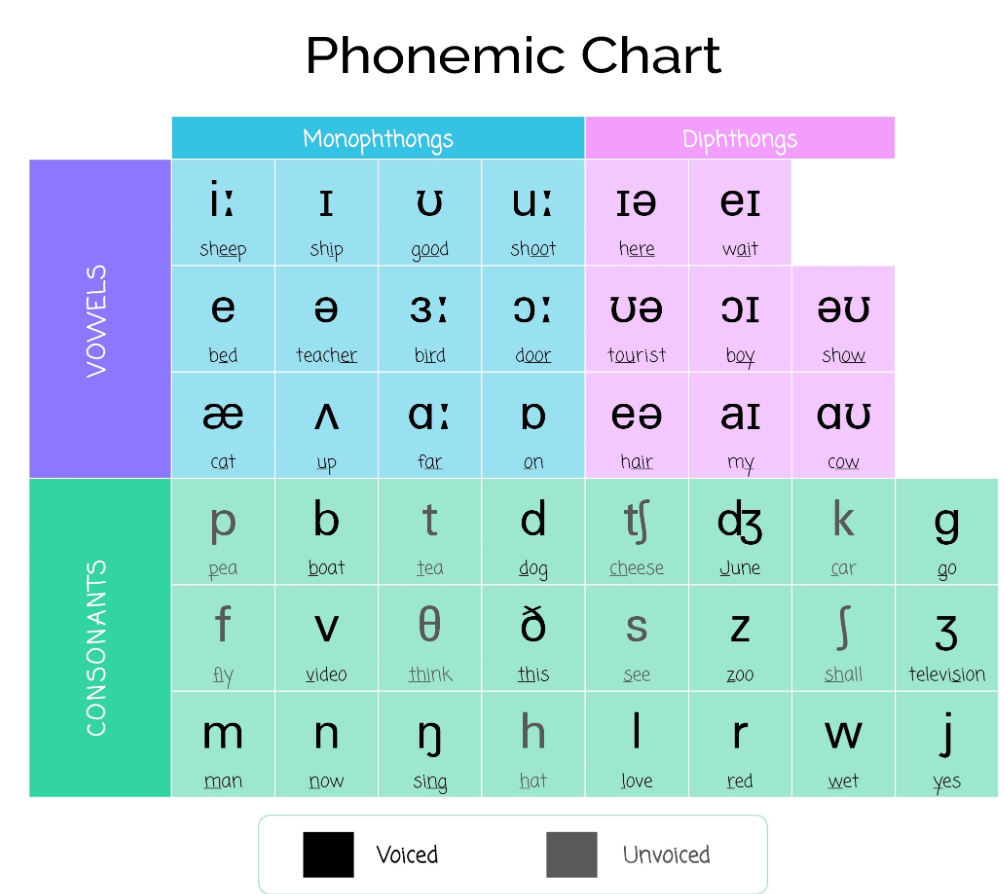
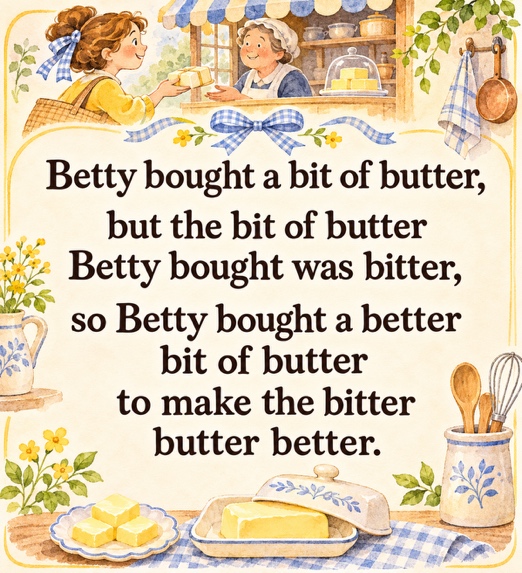
In this class, we studied English pronunciation, including vowel and consonant sounds, diphthongs, rhythm and word stress. We also discussed minimal pairs and practised pronunciation with the tongue twister “Betty bought a bit of butter”.
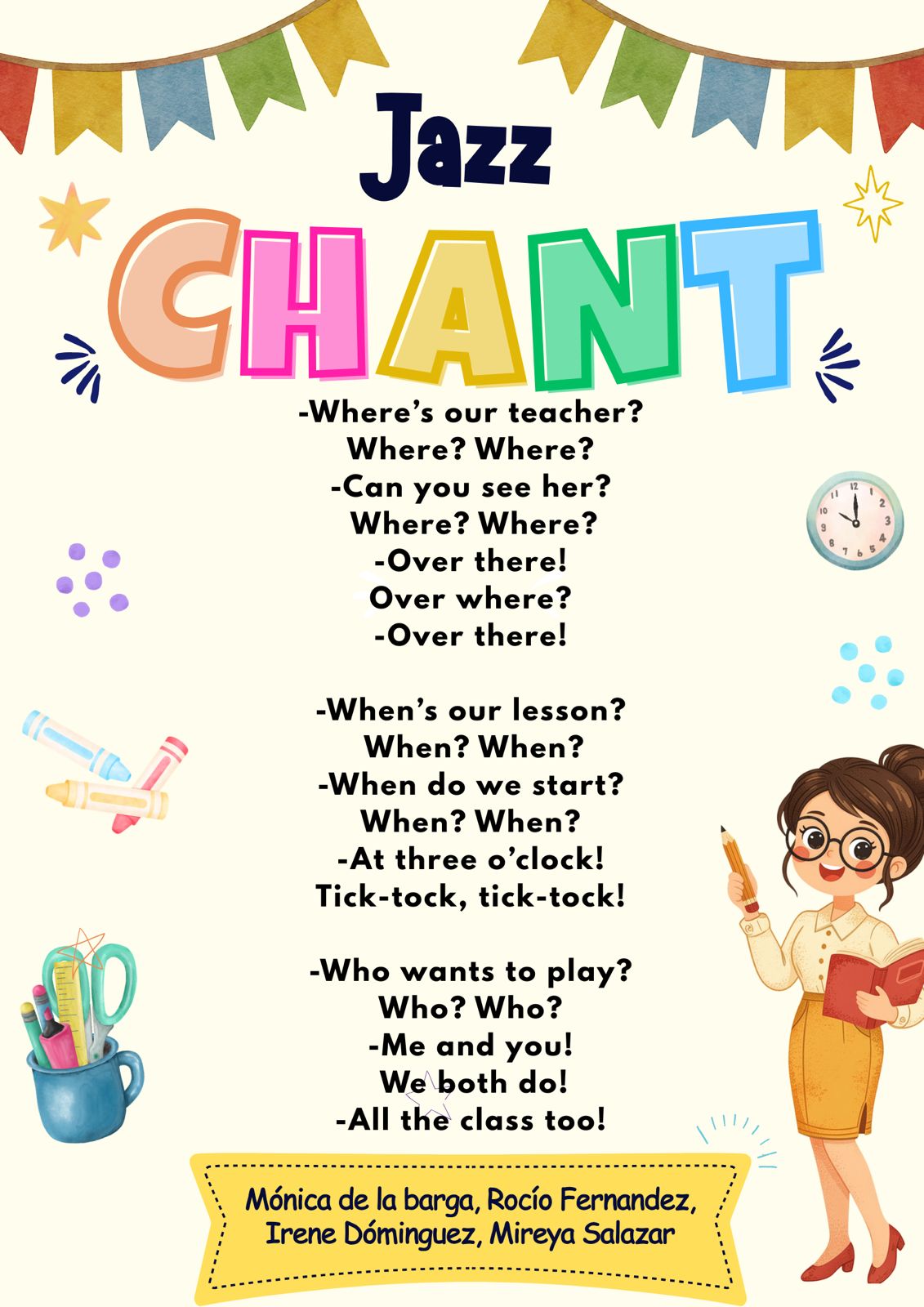
Then, we studied classroom language, such as “Hello”, “How are you?” and “Who is missing?”. We discussed using a class mascot, body language, repetition, songs and pauses to help children understand English.
Finally, we studied Bloom’s taxonomy and how to adapt activities to children’s level.
What I learnt
I learnt that listening and speaking are very important when teaching English to young children. Minimal pairs helped me notice how changing one sound can change the meaning of a word. I also learnt that we need to pay attention to final consonant sounds.
I learnt how gestures, familiar expressions and clear speech can help children follow a lesson. Bloom’s taxonomy helped me think about activities where children remember, understand, apply, analyse, evaluate and create.
Personal opinion
There was a lot of theory in this class, and some pronunciation points were difficult for me. However, practising with a tongue twister helped me understand the sounds better.
I found the classroom expressions useful because I can use them in my future classes. I would like more practice with pronunciation to feel more confident when speaking English.